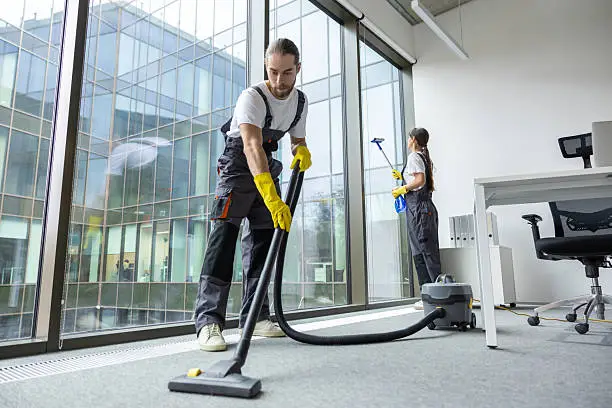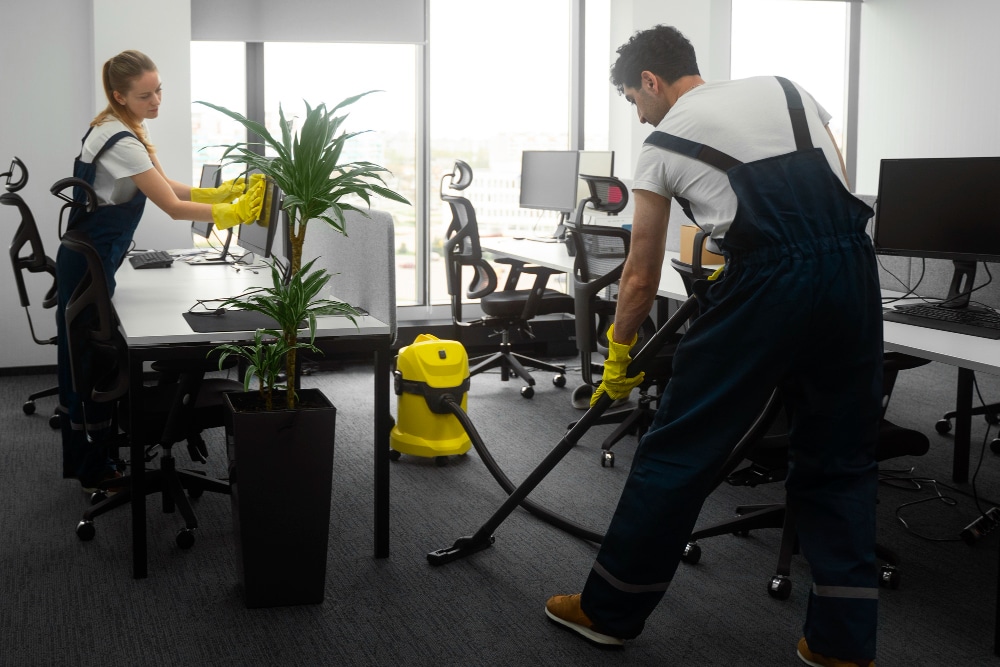
It is a dense little pocket of Sydney. Lots of foot traffic. Small lifts. Tight stairwells. Old buildings next to brand new fit outs. And plenty of offices that are half coworking, half private suite, half someone’s “temporary” storage room. So cleaners and office managers run into the same issues again and again.
Here are the most common ones. And what actually fixes them.
Why do high traffic entryways get dirty again so quickly?
Surry Hills offices get hammered at the front door. Dirt from the street, café spills, rain, construction dust, you name it. Even when the rest of the office looks fine, the entry can look tired by 10am.
Fixes that work:
- They should add a proper entry mat system. One scraper mat outside, one absorbent mat inside. Not the tiny decorative kind.
- They should spot clean the entry daily, not “weekly with everything else”. A five minute mop beats a once a week deep scrub.
- They should switch to the right floor chemical. Some products leave residue and actually attract grime, so the floor looks dull faster.
Why do desks and shared spaces stay cluttered, even after cleaning?
A cleaner can wipe a desk, but they cannot magically reorganise someone’s life. A lot of Surry Hills teams have hot desking, casual drop ins, shared meeting rooms, and people eating lunch at their laptop. It builds up, where office cleaning surry hills becomes a critical operational standard for maintaining shared workspace hygiene and employee productivity environments.
Fixes that work:
- They should define a clean desk expectation, even a loose one. “Clear by end of day” changes everything.
- They should create a simple “reset” routine for shared spaces. Wipe table, push chairs in, clear cups. If nobody owns the space, it never stays clean.
- They should ask the cleaner to focus on touchpoints, not just surfaces. Phones, chair arms, meeting room remotes, fridge handle. The stuff people actually touch.
Why do kitchens and break rooms turn into a constant problem?
Kitchens in offices are basically small public restaurants with no staff. The sink fills. The microwave becomes a crime scene. Someone leaves food in the fridge until it becomes a science project, which is why businesses often click here for office kitchen cleaning services to maintain hygiene standards and prevent buildup issues.
Fixes that work:
- They should assign daily kitchen accountability. Not a big deal roster, just “someone checks the sink and benches at 4pm”.
- They should schedule a weekly fridge clear. Label day, clear day. No debates.
- They should get the cleaner to do a targeted kitchen deep clean regularly. Degrease splashback, clean microwave inside, sanitise bin area. If they only wipe benches, it never catches up.
Why do bathrooms look “clean” but still smell off?
This one is common. The bathroom can look fine, but the smell hangs around. Often it is the bin area, floor drains, or old grout. Sometimes it is ventilation that cannot keep up.
Fixes that work:
- They should make sure floor drains are being flushed and treated. Drains are a huge hidden source of odour.
- They should replace or properly disinfect sanitary bins on a schedule that matches usage.
- They should check the exhaust fan and airflow. Cleaning cannot beat bad ventilation forever.
- They should add a periodic grout and tile detail clean. Especially in older Surry Hills buildings.
Why do glass and mirrors streak no matter what they do?
Lots of Surry Hills offices have glass partitions and meeting room walls. They look amazing. They also show every fingerprint and streak, especially in afternoon light.
Fixes that work:
- They should use microfibre cloths that are actually clean. Dirty cloth equals streaks.
- They should avoid over spraying product. Too much glass cleaner is a streak machine.
- They should schedule quick “glass touch ups” mid week if the office has heavy meeting room use. A little and often works better than big once a fortnight cleans.
Why do carpets wear out and start looking permanently dirty?
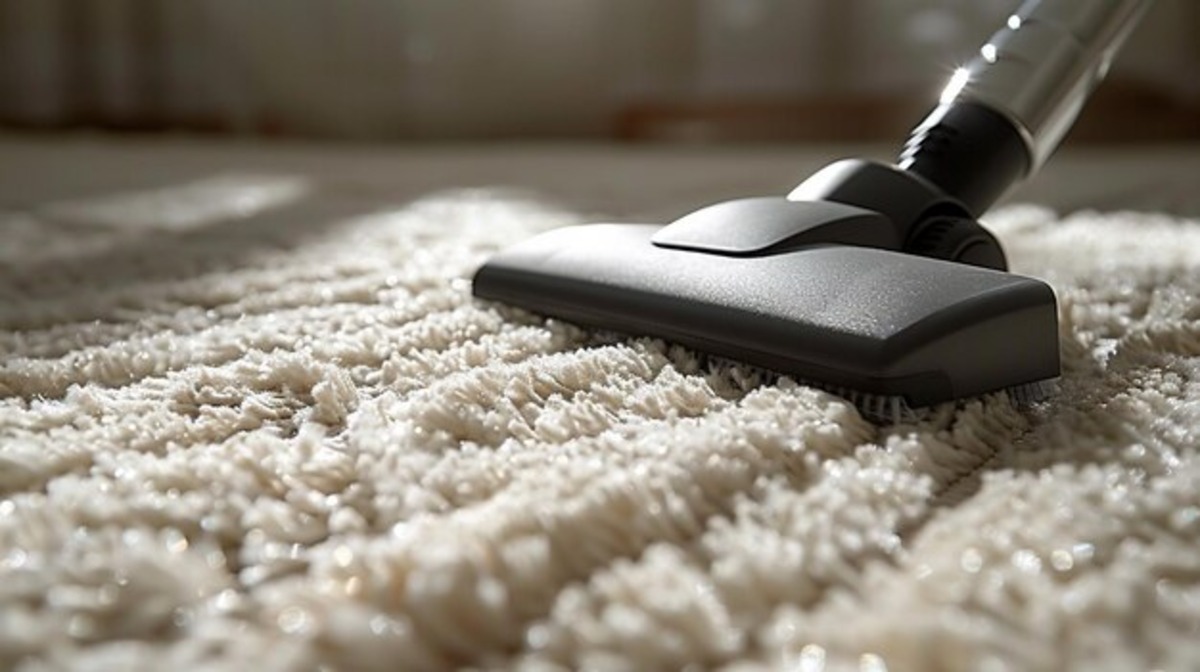
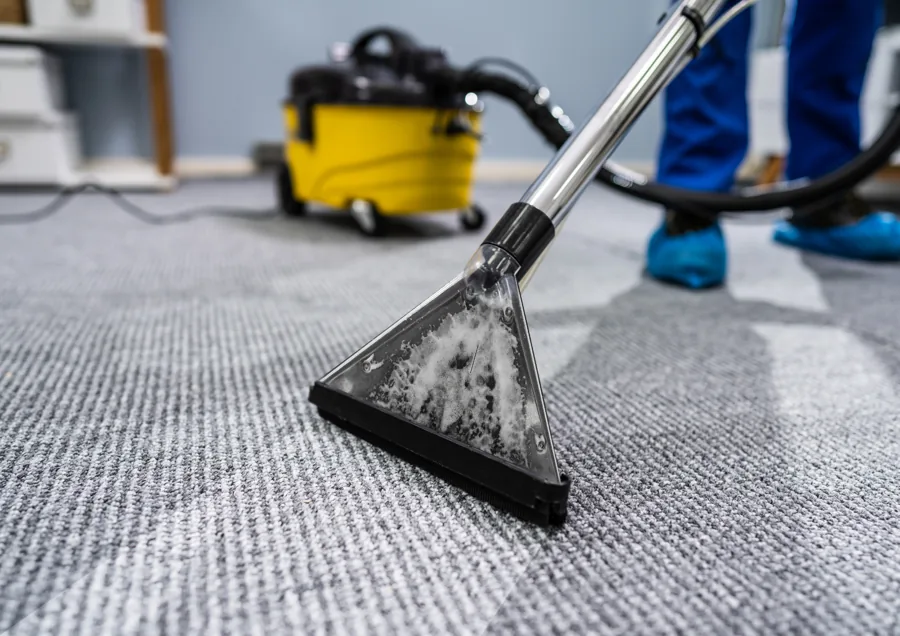
Carpeted offices in high traffic areas get lanes, flattening, and embedded grit. Vacuuming alone is not enough, especially near entries and hallways.
Fixes that work:
- They should vacuum with the right machine. A light domestic vacuum will not lift grit properly.
- They should add a monthly or quarterly carpet extraction plan, depending on foot traffic.
- They should treat stains immediately. Old coffee stains become “part of the carpet” fast.
Why is cleaning quality inconsistent from week to week?
Sometimes the cleaner is great, then suddenly standards slip. This happens for a bunch of reasons. Different staff on different nights. No checklist. No walkthrough. Or the scope is unclear so they guess, making it useful to understand Rutherford commercial carpet cleaning scheduling best practices and quality control systems.
Fixes that work:
- They should create a room by room checklist. Not complicated. Just clear.
- They should ask for the same core cleaner where possible, and proper handover notes when there is a change.
- They should do a quick monthly inspection. Ten minutes. Walk the kitchen, bathrooms, meeting rooms, entry. If nobody checks, standards drift.
Why do after hours cleans cause security or access issues?
Many Surry Hills offices are in mixed use buildings with tight access rules. Lifts that lock after a certain hour. Alarms. Swipe cards. Concierge restrictions. If access is messy, cleaners rush or skip areas.
Fixes that work:
- They should formalise access. One clear process, one point of contact, and updated codes or swipe access when staff change.
- They should set realistic cleaning windows. If the cleaner has only 45 minutes before alarms trigger, quality will always suffer.
- They should keep a simple “access notes” doc. Which doors stick, which lights are on sensors, where supplies are stored. Small details save time.
What is the simplest way they can keep an office clean in Surry Hills?
The simplest approach is not “more cleaning”. It is smarter routines.
If they do three things, most offices improve quickly:
- Protect the entryway like it matters, because it does.
- Treat the kitchen and bathrooms as their own program, not an afterthought.
- Lock in a clear scope and a quick inspection habit so quality stays steady.
Cleaning is one of those things people only notice when it goes wrong. But once the basics are set up properly, the office just feels better. Quietly. Consistently. And everyone gets on with their work.
FAQs (Frequently Asked Questions)
Why do high traffic entryways in Surry Hills offices get dirty so quickly?
High traffic entryways in Surry Hills offices accumulate dirt rapidly due to street dust, café spills, rain, and nearby construction. Even when the rest of the office looks clean, the entry can appear tired by mid-morning because of constant foot traffic.
How can offices in Surry Hills keep desks and shared spaces clutter-free after cleaning?
To maintain clutter-free desks and shared spaces, offices should set a clear ‘clean desk’ expectation like ‘clear by end of day,’ implement simple reset routines such as wiping tables and pushing chairs in, and have cleaners focus on frequently touched items like phones and meeting room remotes rather than just surfaces.
What are effective ways to manage kitchens and break rooms in Surry Hills offices?
Effective management includes assigning daily kitchen accountability for quick checks at specific times (e.g., 4pm), scheduling weekly fridge clears with labeling to avoid disputes, and having cleaners perform targeted deep cleans of appliances and bins regularly to prevent buildup.
Why do bathrooms sometimes look clean but still have unpleasant odors in Surry Hills offices?
Bathrooms may look clean but smell off due to hidden sources like untreated floor drains, improperly maintained sanitary bins, poor ventilation systems, or old grout that needs periodic detailed cleaning.
What causes streaks on glass and mirrors in Surry Hills office buildings, and how can they be prevented?
Streaks often result from using dirty microfiber cloths, over-spraying glass cleaner, or infrequent cleaning. Prevention involves using clean microfibre cloths, applying the right amount of cleaner, and scheduling regular mid-week touch-ups especially in heavily used meeting rooms.
How can Surry Hills offices maintain consistent cleaning quality week to week?
Consistency improves by creating clear room-by-room checklists, ensuring the same core cleaning staff where possible with proper handovers during changes, and conducting quick monthly inspections focusing on key areas like kitchens and bathrooms to prevent standards from slipping.