Why Hire an Expert Arborist in St Ives for Your Garden Care Needs?
Professional tree care is essential for maintaining the health, safety, and longevity of your garden. An expert arborist St Ives has the specialized knowledge to identify diseases early, prevent structural failures, and create optimal growing conditions that untrained gardeners may overlook.
The Importance of Professional Tree Care
Garden protection requires more than just occasional trimming, which is why working with a professional arborist St Ives homeowners trust is essential. Trees that are improperly pruned can develop weak branch structures, posing serious risks during storms. Dead limbs may fall unexpectedly, endangering people and property below. A certified arborist St Ives understands tree biology and applies proven techniques to strengthen your trees while minimizing hazards.
Comprehensive Tree Care Services in St Ives
Tree care services in St Ives include a wide range of solutions tailored to local conditions:
- Certified pruning methods such as crown thinning and canopy shaping
- Safe removal of dangerous or diseased trees
- Professional stump grinding to reclaim garden space
- Detailed health assessments using diagnostic tools
- Emergency response for storm-damaged trees
The Impact of Landscape Quality on Property Value
The value of your property is significantly influenced by the quality of your landscape. Well-maintained trees have the potential to increase your property’s worth by 10-20%. On the other hand, neglected or hazardous trees can create liability concerns that deter potential buyers. Arborists work to preserve the natural beauty of mature trees while ensuring they remain assets rather than risks.
Navigating Local Challenges with Specialized Expertise
St Ives properties often have unique characteristics such as native species and challenging terrain that require specialized knowledge. Professional arborists are familiar with council regulations, can identify protected trees, and implement care strategies that respect environmental responsibilities. They strike a balance between aesthetic goals and ecological stewardship, resulting in gardens that flourish for many years.
Preventing Costly Emergencies through Regular Maintenance
Investing in professional arborist services can help you avoid expensive emergencies down the line. Regular maintenance allows for early detection of problems when they are still manageable and affordable. Waiting until a tree becomes dangerous often leads to complete removal—resulting in both the loss of the tree and the investment made in its growth.
What Tree Care Services Can You Expect from a Qualified Arborist in St Ives?
Qualified arborists deliver specialized services that address every aspect of tree health and garden safety. Their expertise spans from routine maintenance to complex interventions, each service designed to protect your investment and enhance your outdoor environment.
Tree Pruning
Tree pruning St Ives specialists employ certified techniques that go beyond simple cutting. Canopy shaping creates balanced, aesthetically pleasing tree forms while maintaining structural integrity. Crown thinning removes selective branches to improve light penetration and air circulation, reducing disease risk and storm damage potential. Branch reduction shortens limbs that pose threats to structures or power lines without compromising the tree’s natural shape. Deadwooding eliminates brittle, lifeless branches before they become hazards during high winds.
Each pruning method serves specific purposes:
- Formative pruning establishes strong branch architecture in young trees
- Structural pruning corrects defects and prevents future failures
- Crown lifting removes lower branches to create clearance for pedestrians or vehicles
- Pollarding maintains trees at controlled heights in restricted spaces
Tree Removal Services
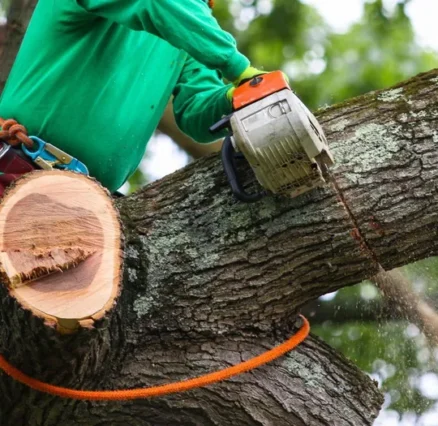
Tree removal services become necessary when trees pose unacceptable risks or have died beyond recovery. Professional arborists assess whether removal represents the only viable option, considering factors like disease progression, structural failure, or proximity to critical infrastructure. The removal process involves systematic dismantling using rigging techniques that protect surrounding plants, structures, and people. Climbers section trees piece by piece, lowering each segment with ropes to prevent ground impact damage.
Stump Grinding
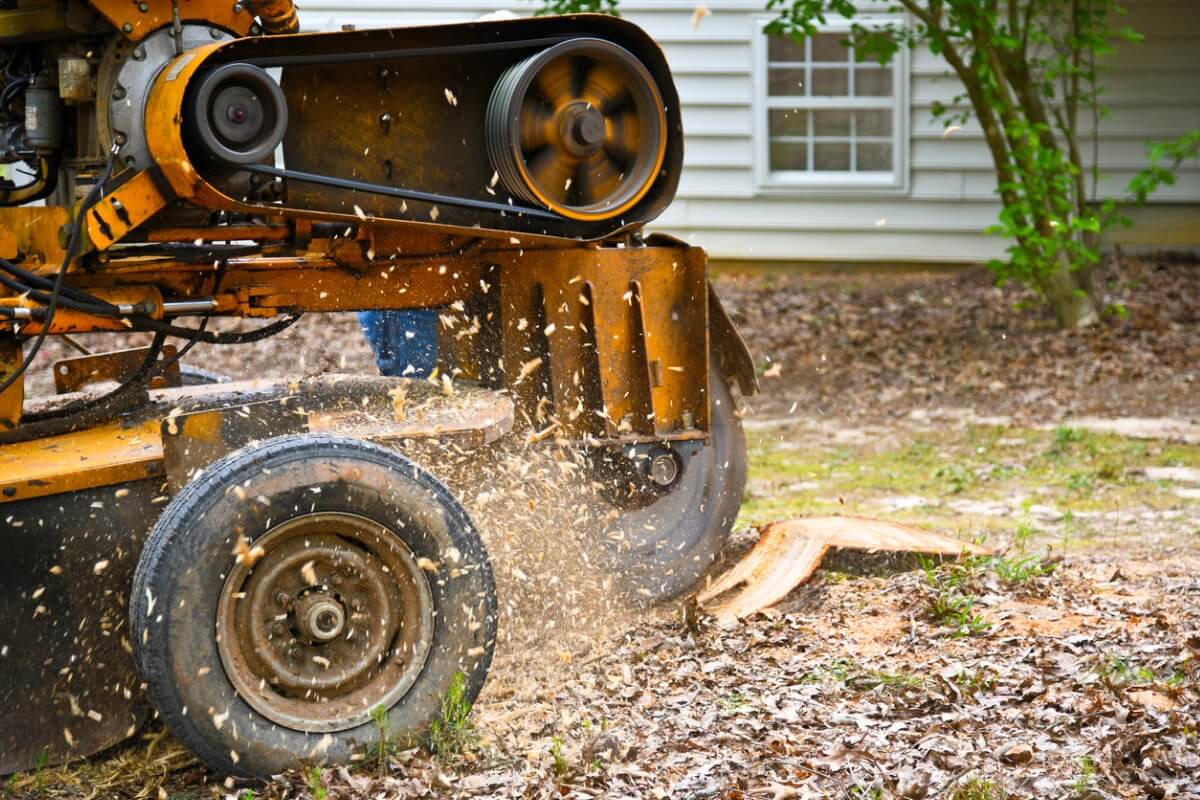
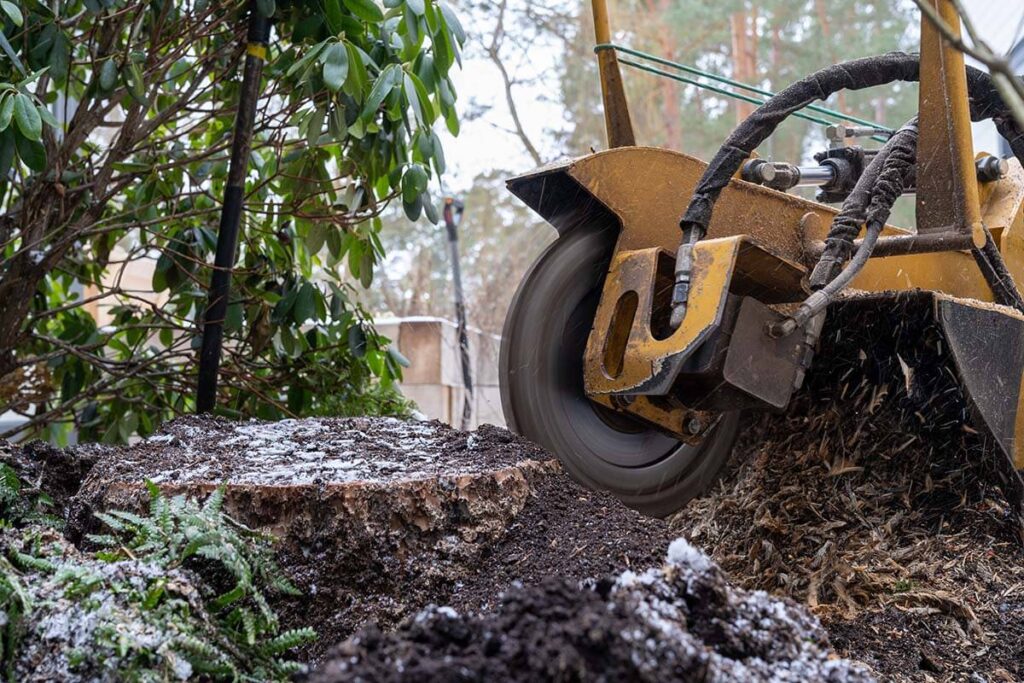
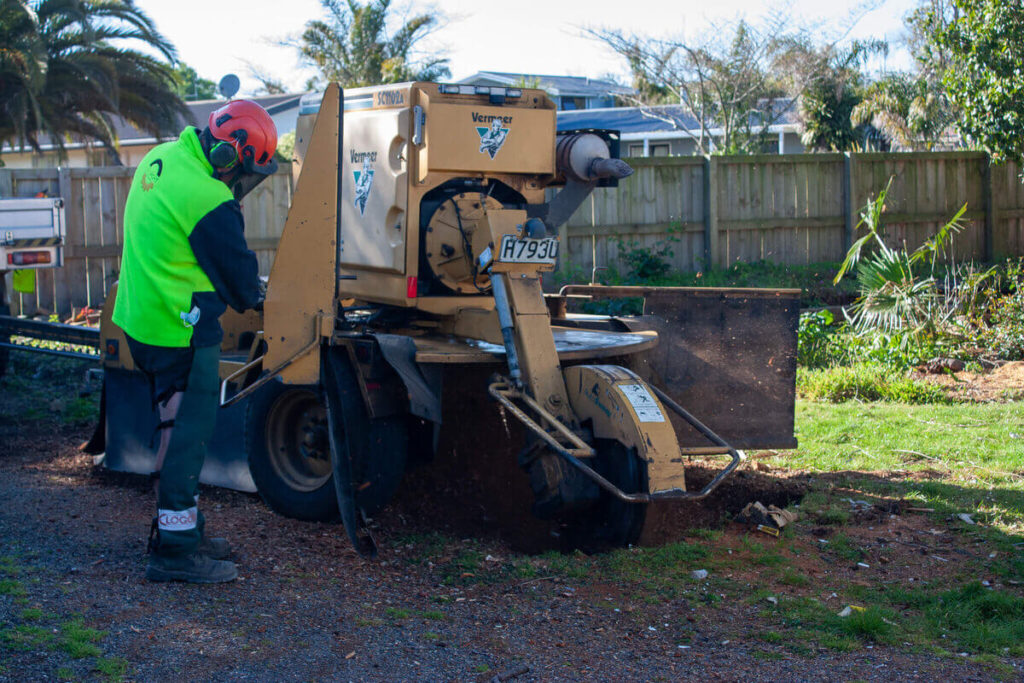
Stump grinding completes the removal process by eliminating unsightly remnants and reclaiming usable space. Specialized machinery grinds stumps below ground level, converting wood into mulch that can enrich garden beds. This service prevents regrowth, eliminates tripping hazards, and removes breeding sites for pests like termites.
Tree Health Assessments
Tree health assessments form the foundation of preventative care. Arborists conduct detailed inspections that identify:
- Fungal infections indicated by bracket fungi or cankers
- Pest infestations including borers, scale insects, or leaf miners
- Nutrient deficiencies revealed through discolored or stunted foliage
- Root damage from compaction
How Do Arborists Contribute to Sustainable and Eco-Friendly Garden Care Practices?
Professional arborists in St Ives integrate sustainable arboriculture principles into every aspect of their work, transforming tree care into an environmentally responsible practice. These specialists view gardens as interconnected ecosystems rather than isolated landscapes, implementing strategies that support long-term environmental health while maintaining beautiful outdoor spaces.
What habitat creation methods do arborists use in St Ives gardens?
Arborists actively design and preserve wildlife habitats within garden environments through strategic tree management. Leaving selected standing deadwood provides essential nesting sites for native birds and shelter for beneficial insects. Hollow-bearing trees receive special protection and maintenance rather than automatic removal, as these features support possums, owls, and microbats.
Creating diverse canopy layers through selective pruning encourages varied plant communities underneath established trees. This layered approach supports different species at ground, shrub, and canopy levels. Arborists also recommend retaining fallen logs and branches in designated garden areas, which become homes for lizards, fungi, and invertebrates that contribute to soil health.
How does biodiversity promotion factor into professional tree care?
Biodiversity promotion begins with preserving native species and understanding their ecological relationships. Arborists identify indigenous trees on properties and develop care plans that enhance their health while encouraging natural regeneration. They advise against removing native specimens unless absolutely necessary, recognizing their irreplaceable value to local ecosystems.
Professional tree care includes planting recommendations that attract pollinators and native fauna. Arborists suggest companion species that thrive alongside existing trees, creating food sources and shelter for wildlife throughout different seasons. This approach transforms gardens into refuges for declining species while maintaining aesthetic appeal.
What happens to tree waste after professional arborist work?
Green waste recycling eliminates the environmental impact of sending organic material to landfills. Arborists in St Ives process removed branches and foliage through specialized chipping equipment, converting waste into valuable mulch on-site. This mulch returns nutrients to garden beds, suppresses weeds, and retains soil moisture.
Larger timber sections become firewood for local households rather than disposal waste. Some arborists partner with woodworkers or community groups to promote urban wood recycling initiatives, ensuring that wood waste is repurposed effectively while also supporting local economies.
When Is the Best Time for Seasonal Tree Maintenance in St Ives?
Seasonal tree maintenance St Ives follows a strategic calendar that aligns specific tasks with optimal growth periods and weather patterns. The timing of tree care directly impacts the health, safety, and longevity of your garden’s trees, making it essential to understand when different maintenance activities deliver the best results.
Why Is Autumn the Prime Season for Formative Pruning?
Formative pruning autumn provides the ideal window for shaping young trees and establishing strong structural frameworks. Trees enter dormancy during this period, reducing stress from pruning cuts and minimizing sap loss. The cooler temperatures also limit the risk of pest infestations and fungal infections that commonly exploit fresh wounds during warmer months.
Young trees benefit most from autumn pruning because arborists can clearly see the branch structure without leaf coverage. This visibility allows for precise removal of competing leaders, crossing branches, and poorly positioned limbs that could cause structural problems as the tree matures. The tree then has the entire winter to compartmentalize wounds before the spring growth surge.
Established trees also respond well to corrective pruning during autumn. Arborists can address weight distribution issues, remove branches that developed at weak angles, and create balanced canopies that will support healthy spring growth. This proactive approach prevents future hazards while the tree is naturally preparing for dormancy.
How Does Summer Maintenance Prepare Trees for Storm Season?
Storm preparation summer focuses on identifying and eliminating potential failure points before severe weather arrives. St Ives experiences strong winds and intense storms, making pre-emptive branch reduction and deadwood removal critical safety measures. Arborists assess trees for overextended limbs, weak attachments, and dead branches that could become dangerous projectiles.
Branch reduction targets areas where excessive length creates leverage during high winds. Skilled arborists selectively shorten these branches while maintaining the tree’s natural form and growth patterns. This technique reduces wind resistance without compromising the tree’s structural integrity or aesthetic appeal.
Deadwood removal during summer serves multiple purposes:
- Eliminates brittle branches most likely to break during storms
- Reduces weight load on healthy limbs
- Removes potential entry points for decay organisms
- Improves light penetration to lower canopies
How Can Arborists Assist You with Tree Risk Assessments and Compliance with Local Regulations?
Professional arborists conduct comprehensive tree risk assessment St Ives evaluations that identify potential hazards before they threaten your property or safety. These assessments examine structural integrity, disease presence, root stability, and proximity to buildings or power lines, providing property owners with detailed reports that outline immediate concerns and long-term monitoring recommendations.
Understanding Tree Failure Factors
During a risk assessment, qualified arborists evaluate multiple factors that contribute to tree failure. They inspect for:
- Visible decay or cavities in the trunk
- Dead or hanging branches that could fall unexpectedly
- Root plate movement or soil heaving around the base
- Lean angles that indicate instability
- Fungal growth suggesting internal rot
- Cracks or splits in major limbs
Documenting the Assessment
The assessment process includes documentation through photographs and measurements, creating a permanent record that proves valuable for insurance claims or legal requirements. Arborists assign risk ratings based on the likelihood of failure and potential consequences, helping you prioritize which trees need immediate attention versus those requiring monitoring.
Navigating Council Paperwork and Tree Preservation Orders
Council paperwork tree preservation orders can be complex and time-consuming for property owners unfamiliar with local regulations. Arborists streamline this process by preparing detailed applications that include tree species identification, health status reports, and justifications for proposed work. They understand what information councils require and present it in formats that expedite approval.
St Ives properties often contain trees subject to preservation orders, particularly native species or specimens of significant age and size. Attempting work on protected trees without proper authorization can result in substantial fines. Arborists navigate these regulations by:
- Determining which trees fall under protection before any work begins
- Preparing compliant applications with supporting documentation
- Liaising directly with council officers to clarify requirements
- Advising on alternative solutions if initial proposals face rejection
Supporting Development Projects
For development projects, arborists become essential partners in the planning phase. They conduct protected species identification surveys that map existing vegetation and flag specimens requiring special consideration. This early intervention prevents costly delays when development applications reach assessment stages.
Tree protection zones represent critical areas around valuable or protected trees where construction activity must be restricted. Arborists calculate these zones based on trunk diameter and species characteristics, then establish physical barriers like fencing to prevent
What Emergency Tree Services Are Available in St Ives for Storm or Hazard Damage?
Emergency tree services St Ives specialists provide 24/7 rapid response when storms strike or trees become immediately dangerous. These professionals arrive quickly to assess damage, secure unstable trees, and remove hazards threatening homes, vehicles, or power lines.
How Quickly Can Arborists Respond to Storm Damage?
Professional arborists maintain emergency response teams ready to deploy within hours of receiving distress calls. The storm damage response begins with a safety assessment to identify which trees pose the greatest immediate threat. Priority goes to trees leaning toward structures, those with exposed root systems, or branches hanging precariously over occupied areas.
Speed matters because unstable trees can shift position unexpectedly, especially during ongoing weather events or in the hours immediately following a storm. Quick intervention prevents secondary damage that occurs when weakened trees finally collapse.
What Methods Ensure Safe Hazardous Tree Removal?
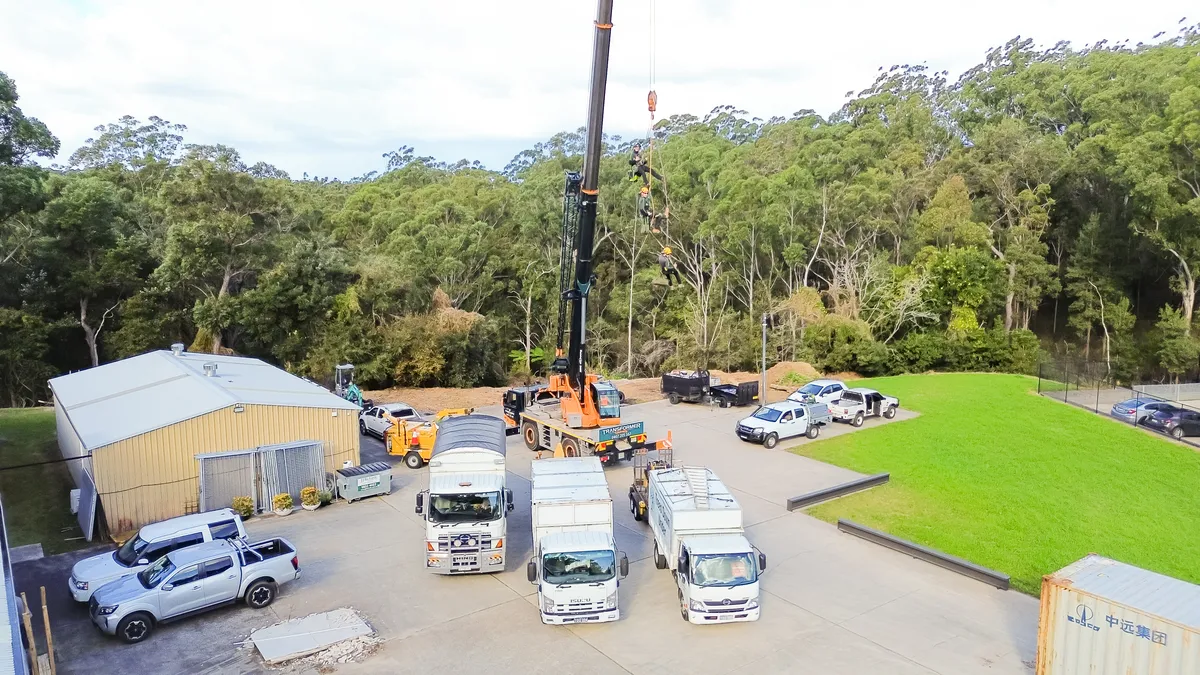
Hazardous tree removal requires specialized techniques that differ significantly from routine tree work. Arborists use rigging systems to control the descent of damaged sections, preventing them from falling unpredictably. Cranes may be deployed when trees are too unstable for climbers to safely access.
The process typically involves:
- Establishing safety perimeters around the work zone
- Using ropes and pulleys to guide branches away from structures
- Making strategic cuts that account for existing cracks or splits
- Removing sections in small, manageable pieces rather than large drops
When trees have split trunks or compromised structural integrity, arborists may use tension cables to stabilize sections before cutting. This prevents sudden movement that could endanger workers or nearby property.
Why Does Timing Matter in Emergency Tree Situations?
Delayed response to dangerous trees exponentially increases risk exposure. A tree leaning at 30 degrees today might be lying across your roof tomorrow. Water-saturated soil loses its grip on root systems, and damaged trees continue weakening as gravity pulls on compromised wood fibers.
Insurance considerations also favor prompt action. Many policies require property owners to mitigate damage reasonably, which includes addressing obvious hazards. Documentation from professional arborists strengthens claims by demonstrating responsible property management.
In such scenarios, having a well-structured emergency tree action plan can significantly streamline the process and ensure safety measures are adhered to effectively.
How Do Arborists Adapt Their Approach Based on Different Property Types in St Ives?
Does a residential garden require the same tree care as a commercial property? No—expert arborists tailor their services based on property type, site conditions, and specific challenges. Residential garden tree care St Ives focuses on aesthetics, privacy, and personal preferences, while commercial site arborist services prioritize safety, liability management, and compliance with workplace regulations.
What makes residential garden care different from commercial tree management?
Residential properties typically require a more personalized approach. Arborists work closely with homeowners to understand their vision for the garden, whether that involves shaping trees to frame views, creating shade for outdoor living areas, or maintaining heritage specimens. The scale is smaller, allowing for detailed attention to individual trees and their relationship with surrounding plantings.
Commercial sites demand a different focus. Schools, strata buildings, and business premises need regular maintenance schedules that minimize disruption to operations. Risk management becomes paramount—arborists identify potential hazards near walkways, parking areas, or buildings where public liability is a concern. Documentation and compliance with OH&S requirements are standard practice.
Public lands present unique considerations. Parks, council reserves, and community spaces require arborists to balance multiple stakeholder interests while adhering to strict environmental guidelines. Work often involves coordinating with local authorities and considering the broader ecological impact of tree management decisions.
How do arborists handle challenging site conditions?
Steep blocks present significant access and safety challenges. Arborists use specialized rigging techniques and equipment to safely lower branches and timber sections without damaging property below. Rope and pulley systems allow controlled descent of materials on slopes where conventional methods would be dangerous or impractical.
Root protection becomes critical on sloped terrain. Heavy machinery can cause soil compaction and erosion, so arborists employ lightweight equipment and hand tools where necessary. They establish clear access routes that minimize ground disturbance and prevent damage to existing vegetation.
Native species management requires specialized knowledge of local flora. Australian natives like eucalypts, banksias, and angophoras have different growth patterns and pruning requirements compared to exotic species. Arborists understand seasonal growth cycles, flowering periods, and habitat value for local wildlife.
Protected native vegetation often necessitates additional permits or approvals before any work can commence. Arborists are well-versed in legislative frameworks such as the Environment Protection Biodiversity Conservation Act (EPBC) and relevant state legislation governing native flora conservation.
Why is ongoing education important for arborists?
The field of arboriculture is constantly evolving with new research findings, industry best practices, and technological advancements. To stay abreast of these developments:
- Professional associations: Arborists actively participate in organizations like Arboriculture Australia or International Society of Arboriculture (ISA) which offer training programs, conferences, webinars etc.
- Certifications: Pursuing specialized certifications such as ISA Certified Arborist or AQF Level 3/4 in Arboriculture demonstrates commitment towards continuous learning.
- Networking: Engaging with peers through forums or social media groups fosters knowledge sharing among practitioners facing similar challenges.
By investing time into professional development activities mentioned above ensures that they can provide up-to-date advice tailored specifically towards different property types encountered during their work across St Ives region!
What Do Arborists Recommend for Pruning and Tree Removal to Protect Your Garden’s Health?
How Should Trees Be Pruned?
St Ives arborists recommend proper pruning techniques that involve making clean cuts at the right angle and location. This helps prevent diseases from entering the tree and promotes natural healing. When pruning, cuts should be made just outside the branch collar—the swollen area where a branch meets the trunk. This allows the tree’s natural defense mechanisms to seal the wound effectively.
The timing of pruning is also crucial for tree health and recovery. Arborists advise against removing more than 25% of a tree’s canopy in one go, as excessive pruning can stress the tree and drain its energy reserves. Instead, focus on making strategic cuts that target:
- Dead or diseased branches to stop the spread of pathogens
- Crossing limbs that create wounds through friction
- Water sprouts and suckers that drain resources
- Branches growing at weak angles (less than 45 degrees)
When Should Trees Be Removed Instead of Saved?
St Ives professionals who specialize in ethical tree removal emphasize that removal should be a last resort after considering all other options. Trees should only be removed if they genuinely pose safety risks, have irreversible structural damage, or host diseases that threaten nearby vegetation.
Before recommending removal, arborists conduct thorough assessments to examine root stability, trunk integrity, and the extent of decay. If a tree has 50% or more internal decay in critical load-bearing areas, it usually cannot be saved through pruning or treatment. Additionally, trees leaning more than 15 degrees toward structures or high-traffic areas may also need to be removed.
The decision-making process involves evaluating whether the tree provides essential habitat for wildlife, contributes to the property’s character, or holds heritage significance. It’s important to have replacement planting plans in place alongside removal decisions to maintain the ecological balance of your garden.
How Can Proactive Maintenance Prevent Future Issues?
To ensure long-term health for your garden, it’s important to regularly monitor and provide preventative care rather than just reacting when problems arise. Arborists recommend annual inspections to catch early warning signs like unusual leaf drop, fungal growth, or bark abnormalities that indicate underlying stress.
During stormy weather, removing deadwood from trees reduces the risk of branches breaking off and causing damage. Additionally, thinning out the crown of trees strategically allows for better air circulation which helps minimize fungal diseases. For young trees, proper staking techniques can ensure they grow straight and strong without any structural issues down the line.
Conclusion
Professional tree care transforms gardens from potential hazards into thriving, valuable landscapes. Expert arborist benefits extend beyond immediate tree health—they protect your property investment, ensure regulatory compliance, and create outdoor spaces that enhance daily living.
Protecting Your Garden: Advice from an Expert Arborist St Ives centers on one fundamental principle: prevention outweighs correction. Qualified arborists bring specialized knowledge that homeowners simply cannot replicate through DIY efforts. Their training in tree biology, structural assessment, and local regulations means every cut, removal decision, and maintenance schedule serves a strategic purpose.
The garden protection tips St Ives arborists consistently emphasize include:
- Regular health assessments to catch disease or structural issues before they escalate
- Seasonal pruning schedules aligned with tree growth patterns and weather conditions
- Documentation and permits for protected species or significant tree work
- Emergency preparedness through proactive branch reduction and deadwood removal
A safe, beautiful garden environment requires ongoing attention from trained professionals who understand the delicate balance between aesthetics, safety, and environmental stewardship. Trees are long-term investments that respond to care provided years earlier. Poor pruning techniques or delayed maintenance create compounding problems that become costly and sometimes irreversible.
Engaging certified arborists means accessing comprehensive care plans tailored to your property’s unique conditions—whether you’re managing steep terrain, native species, or heritage trees subject to preservation orders. These experts navigate council requirements, conduct thorough risk assessments, and implement sustainable practices that benefit both your garden and the broader ecosystem.
Your garden deserves the same professional attention you’d give any valuable asset. The expertise, equipment, and ethical approach that qualified arborists bring ensure your trees remain healthy, your property stays safe, and your outdoor spaces continue providing beauty and value for decades to come.
Click here for more How to Get a Fast, Free Quote from an Expert Epping arborist