
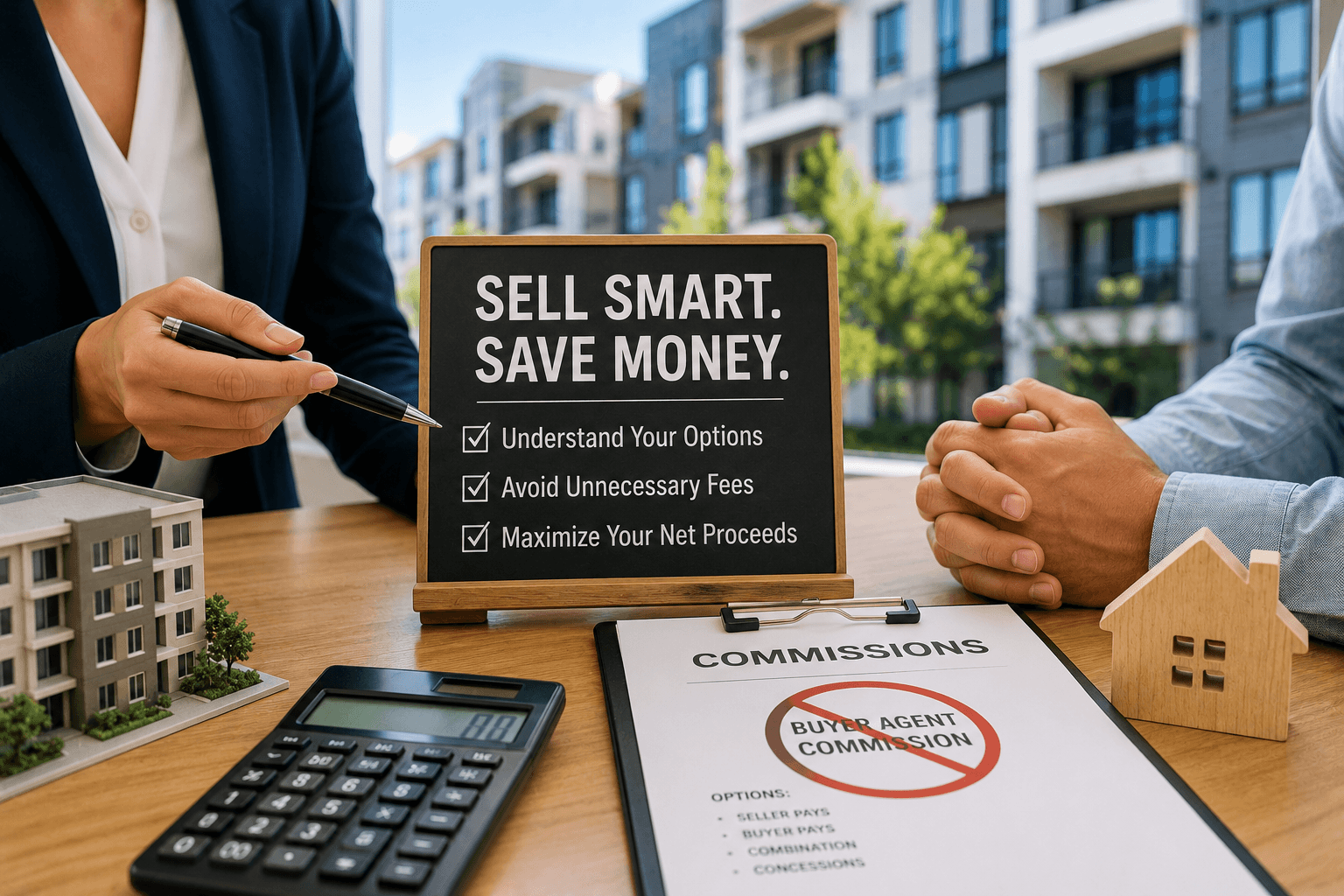
For many Australians, using a buyer’s agent feels like a shortcut to better research, faster inspections, and stronger negotiation. But the money side can be confusing, especially when fees are quoted in different ways.
This guide breaks down Buyers Agent Fees Explained for anyone budgeting a purchase, so they can compare options, avoid surprises, and decide what is worth paying for. Buyers Agent Fees Explained matters most when they are balancing a deposit, stamp duty, lender costs, and a tight timeline.
What are buyer’s agent fees and what do they usually cover?
Buyers agent fees are what a buyer pays for professional help to search, assess, negotiate, and buy property. In most cases, the fee covers strategy, suburb research, shortlisting, inspections, due diligence coordination, negotiation, and support through exchange.
Buyers Agent Fees Explained often comes down to what is included. Some services are full search-to-settlement, while others are negotiation-only or auction bidding, which changes the price.
How are buyer’s agent fees structured in Australia?
In Australia, buyer’s agent fees are commonly charged as a flat fee, a percentage of the purchase price, or a hybrid of both. Some also charge an engagement fee upfront plus a success fee when they buy.

Buyer’s Agent Fees Explained is simpler when they ask for the exact structure in writing, including what triggers payment and whether any parts are refundable if they do not purchase.
What is the difference between a flat fee and a percentage fee?
A flat fee is a set pound amount for an agreed scope, regardless of purchase price. A percentage fee scales with the final price paid, so the more expensive the property, the higher the fee.
Buyers Agent Fees Explained should include a quick reality check. For a £900,000 purchase, 2% is £18,000, while a flat £15,000 may be cheaper. On a £1.5m purchase, the opposite may be true depending on the rate.
What fee ranges should buyers expect in real numbers?
Fee ranges vary by city, service depth, and price point, but many full-service engagements commonly land in the mid four figures to low five figures. Negotiation-only or auction bidding is often lower than a full search.
Buyers Agent Fees Explained works best when they compare like-for-like scope. A low quote may exclude inspections, due diligence support, or access to off-market listings, which can shift costs elsewhere.
When do buyers pay, and what are common payment milestones?
Many buyers agents take an initial engagement payment, then the balance when a property is secured, such as after acceptance, at exchange, or on settlement. The timing depends on the agency agreement and the state process.
Buyers Agent Fees Explained should always clarify timing. If they are budgeting cash flow around deposit, stamp duty, and conveyancing, the difference between paying at exchange versus settlement can matter.
Do buyers’ agent fees include VAT and other charges?
Some quotes include VAT, and some do not, so it needs to be confirmed. There may also be third-party costs that are not part of the agent’s fee, such as building and pest inspections, strata reports, valuations, conveyancing, and specialist advice.
Buyers’ Agent Fees Explained is not only about the agent’s invoice. The total buying budget is what matters, and these add-ons can easily run into thousands.
Can a buyers’ agent be paid by the seller as well?
A true buyers’ agent is engaged by the buyer, but there are situations where another party pays a referral or introduces a conflict. In Australia, they should check for any commissions, referral arrangements, or benefits the agent receives.

Buyers’ Agent Fees Explained should include a conflict check. If the agent is receiving a benefit from a selling agent, developer, or marketer, it may affect independence.
What should buyers look for in a fee proposal or agreement?
They should expect a written agreement that lists scope, exclusions, fees, VAT treatment, payment milestones, termination terms, and dispute resolution. It should also define what “successful purchase” means.
Buyers’ Agent Fees Explained becomes practical when they ask for examples. A good test is requesting a sample timeline and deliverables, such as number of shortlisted properties, inspection approach, and the due diligence steps they coordinate.
Are buyers’ agent fees negotiable, and how can buyers compare value?
Some agents will adjust scope, not necessarily price. A buyer might reduce the service to negotiation-only, limit the search area, or set a time cap, which changes the workload.
Buyers’ Agent Fees Explained should focus on value, not just cost. If an agent saves £25,000 in negotiation, avoids a major building issue, or secures a better asset, a £12,000 fee may be commercially rational.
How should buyers budget for fees alongside stamp duty and other costs?
They should treat the fee as part of the acquisition cost and keep a buffer. A simple approach is to list every known cost, then add a contingency for reports, repairs, and moving.
Buyers Agent Fees Explained fits best into a single buying budget that includes deposit, lender fees, stamp duty, conveyancing, inspections, insurance, and immediate maintenance. That way, they can decide if professional representation still fits the plan.
What questions should buyers ask before they sign with a buyers agent?
They should ask what is included, what is excluded, how many clients the agent is servicing, how they source deals, and how they handle conflicts of interest. They should also ask for recent examples in similar suburbs and price brackets.
Buyers Agent Fees Explained should end with a clarity check. If they cannot explain the fee in plain language, show the service scope, and confirm independence in writing, it is a signal to pause and compare other options.

How can buyers decide if paying a buyers agent is worth it?
It is worth it when time is limited, the market is competitive, or the buyer lacks confidence assessing value and risk. It can also help when they are buying interstate, purchasing a complex property type, or trying to access off-market opportunities.
Buyers Agent Fees Explained ultimately comes down to outcomes. If the fee buys better decision-making, reduces costly mistakes, and improves the chance of securing the right property, it can be a sensible line item in a well-planned purchase budget.
FAQs (Frequently Asked Questions)
What do buyer’s agent fees typically cover in Australia?
Buyer’s agent fees usually cover professional services such as property search strategy, suburb research, shortlisting properties, conducting inspections, coordinating due diligence, negotiation with sellers, and support through the exchange process. The scope can vary from full search-to-settlement services to negotiation-only or auction bidding assistance.
How are buyer’s agent fees structured and charged in Australia?
In Australia, buyer’s agent fees are commonly structured as a flat fee, a percentage of the property’s purchase price, or a hybrid of both. Some agents also charge an upfront engagement fee plus a success fee upon purchase. It’s important to get the exact fee structure in writing, including payment triggers and refund policies if no purchase occurs.
What is the difference between flat fee and percentage-based buyer’s agent fees?
A flat fee is a fixed amount agreed upon regardless of the property’s price, while a percentage fee scales with the final purchase price—the more expensive the property, the higher the fee. For example, 2% on a £900,000 property equals £18,000, which might be higher than a flat £15,000 fee. Conversely, for a £1.5 million purchase, percentage fees might be more expensive depending on rates.
When do buyers typically pay their buyer’s agent fees?
Payment timings vary by agency agreement and state regulations but often include an initial engagement payment followed by balance payments when a property is secured—such as after acceptance of offer, at contract exchange, or on settlement. Clarifying payment milestones is crucial for budgeting alongside deposit and stamp duty.
Are buyer’s agent fees inclusive of VAT and other additional costs?
Some buyer’s agent quotes include VAT; others do not—it’s essential to confirm this upfront. Additionally, third-party costs like building and pest inspections, strata reports, valuations, conveyancing fees, and specialist advice are usually separate from the agent’s fee and can add thousands to the total buying budget.
How can buyers determine if paying for a buyer’s agent is worth it?
Paying for a buyer’s agent can be worthwhile if time is limited, the market is competitive, or if buyers lack confidence in assessing property value and risks. Agents can provide access to off-market properties and help with complex purchases or interstate buying. Ultimately, if their service leads to better decisions, avoids costly mistakes, or secures the right property at a good price, their fees represent sensible investment within a well-planned budget.
Other Article: What an Investment Property Mortgage Broker Reviews Before Recommending Loan Structures
Leave a Reply