
Why Is Early Termite Detection Important in Sydney Homes?
Early termite detection protects your home from catastrophic structural damage and preserves your property’s value. Sydney’s warm, humid climate creates ideal conditions for termite colonies to thrive, making proactive monitoring essential for every homeowner.
The Dangers of Untreated Termite Infestations
Untreated termite removal infestations can compromise your home’s structural integrity within months. These silent destroyers weaken support beams, floor joists, and load-bearing walls, creating dangerous living conditions. Property values plummet when termite damage becomes extensive, with repair costs often reaching tens of thousands of dollars.
The Role of a Termite Specialist
A termite specialist Sydney brings expertise in identifying subtle warning signs before they escalate into major problems. Professional intervention during the early stages of infestation allows for targeted, cost-effective treatments that eliminate colonies quickly. Specialists use advanced detection methods to locate hidden termite activity in wall cavities, subfloors, and other concealed areas where damage silently progresses.
The Cost Difference
The difference between catching an infestation early versus late can mean the difference between a $2,000 treatment and a $50,000 structural repair bill. Regular monitoring and professional expertise form your first line of defense against these destructive pests.
What Are the Early Signs of a Termite Infestation?
1. Visible Mud Trails
Visible mud trails on exterior walls serve as one of the most recognizable early termite signs. These pencil-thin tubes, typically brown or tan in color, allow subterranean termites to travel between their underground colonies and food sources while maintaining the moisture and darkness they require for survival.
Sydney homeowners should examine foundation walls, brick mortar, and concrete surfaces regularly for these telltale structures. The tubes often appear in sheltered areas near ground level, though determined colonies can extend them several meters up building facades. Breaking open a section of an active mud tube may reveal live termites inside, confirming current infestation activity.
2. Blistering Paint and Cracking Surfaces
Blistering paint and cracking surfaces often indicate termite damage beneath the exterior layer. The insects consume wood from the inside out, creating hollow spaces that cause paint to bubble or peel away from the surface. Discolored wallpaper, particularly when accompanied by a musty odor, suggests moisture accumulation from termite activity behind walls.
These cosmetic changes differ from typical water damage patterns. Termite-related blistering typically appears in irregular patches rather than uniform water stains, and the affected areas may feel soft or spongy when pressed gently.
3. Flying Termites
Flying termites emerge in swarms during Sydney’s warmer months, usually after rain. These winged reproductives, called alates, leave established colonies to form new ones. Spotting swarms near your property—especially indoors—signals an active colony nearby.
Discarded wings near windowsills, door frames, or light fixtures provide additional evidence. After mating, termites shed their wings before burrowing into wood to establish new colonies, leaving behind these translucent remnants as proof of their presence.
How Can Physical Damage to Your Property Indicate Ongoing Termite Activity?
Physical damage reveals termite activity when structural elements begin to fail or show visible deterioration. These signs indicate the infestation has progressed beyond surface-level damage and requires immediate professional attention.
Hollow Wood Sound
Tapping on wooden beams, door frames, or skirting boards that produce a hollow wood sound signals extensive internal tunneling. Termites consume timber from the inside out while leaving a thin veneer of wood or paint intact. This creates empty cavities within structural elements that would normally sound solid. Sydney termite specialists use this acoustic test during inspections to identify compromised timber before it becomes visibly damaged.
Buckling Floors and Sagging Ceilings
Buckling floors appear as uneven surfaces, raised sections, or warped floorboards that no longer sit flush. This distortion occurs when termites feed on floor joists and subfloor supports, weakening the foundation beneath. Similarly, sagging ceilings develop when ceiling joists lose their structural integrity from prolonged termite consumption. These deformations often accompany moisture damage, as termites require humidity to survive and thrive.
Discarded Wings
Piles of discarded wings near windowsills, doorways, or light fixtures indicate recent termite swarming activity. Reproductive termites shed their wings after finding a suitable location to establish a new colony. Finding these translucent wings inside your property confirms active termite presence within or immediately adjacent to your home’s structure.
In addition to these signs, it’s crucial to be aware of other physical indicators as outlined in this comprehensive guide on the signs of termite infestation.
Which Termite Species Are Commonly Found in Sydney Homes?
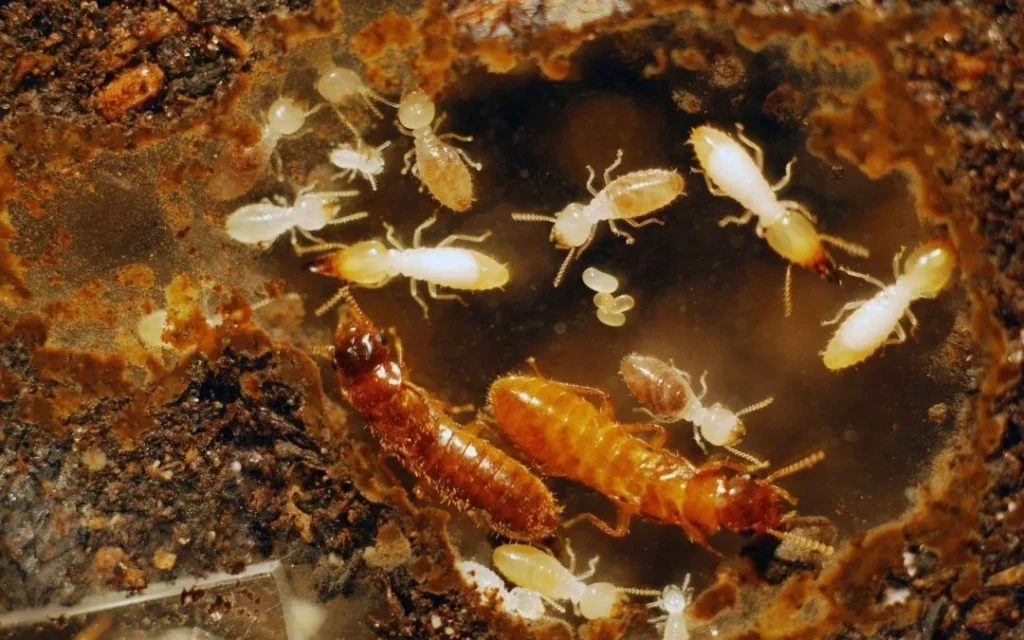
Subterranean termites Sydney properties face primarily include three destructive species that threaten structural integrity:
- Coptotermes acinaciformis: Australia’s most economically damaging termite, forming massive colonies of up to one million individuals that aggressively attack sound timber and structural wood. These termites construct distinctive mud shelter tubes and can consume timber at alarming rates.
- Schedorhinotermes intermedius: presents a moderate to high risk, with colonies ranging from 50,000 to several hundred thousand termites. This species typically attacks damp or decaying wood but will also damage sound timber when conditions favor their expansion.
- Nasutitermes exitiosus: builds distinctive mound nests in gardens and under concrete slabs, with colonies housing up to 200,000 termites. While they prefer weathered or decayed wood, these soldier termites equipped with specialized defensive glands can still compromise structural elements when their colony expands.
Termite Specialist Sydney Advice for Identifying Early Structural Damage emphasizes knowing which species you’re dealing with determines the most effective treatment approach.
What Professional Inspection Methods Do Termite Specialists Use to Detect Hidden Infestations?
Termite specialists in Sydney rely on sophisticated termite inspection tools Sydney professionals trust to uncover infestations that remain invisible to the naked eye.
1. Thermal Imaging Cameras
Thermal imaging cameras detect temperature variations in walls and timber, revealing termite activity through heat signatures generated by active colonies. These cameras identify problem areas without requiring invasive drilling or wall removal.
2. Moisture Meters
Moisture meters play an equally vital role by measuring humidity levels within building materials. Termites require moisture to survive, so elevated readings often indicate their presence or conditions favorable for infestation. Specialists use these readings to pinpoint vulnerable zones requiring closer examination.
3. Termatrac Device
The termatrac device represents a breakthrough in non-invasive detection technology. This radar-based tool penetrates walls, floors, and ceilings to detect termite movement and moisture patterns behind surfaces. It eliminates guesswork when inspecting sealed cavities where visual access proves impossible.
4. Borescopes
Borescopes complement these technologies by allowing direct visual inspection of wall cavities, roof voids, and subfloor areas through small drilled holes. These fiber-optic cameras transmit real-time video footage, enabling specialists to confirm termite presence and assess damage severity in confined spaces.
Combining these advanced tools creates a comprehensive inspection approach that leaves no area unchecked. Specialists methodically scan both interior and exterior zones, documenting findings with precision to develop targeted treatment strategies tailored to each property’s specific infestation patterns.
Why Is Early Detection Critical for Effective Termite Treatment and Prevention Strategies?
Early termite treatment Sydney becomes significantly more manageable when infestations are caught before extensive damage occurs. Identifying termite activity in its initial stages allows specialists to implement targeted solutions that cost substantially less than repairing compromised structural elements like floor joists, support beams, or wall frames.
The financial advantage extends beyond immediate treatment costs. Properties with minimal termite damage require shorter treatment periods and less invasive intervention methods, preserving the home’s market value and avoiding lengthy renovation projects that disrupt daily life.
Primary Treatment Methods Used by Sydney Specialists
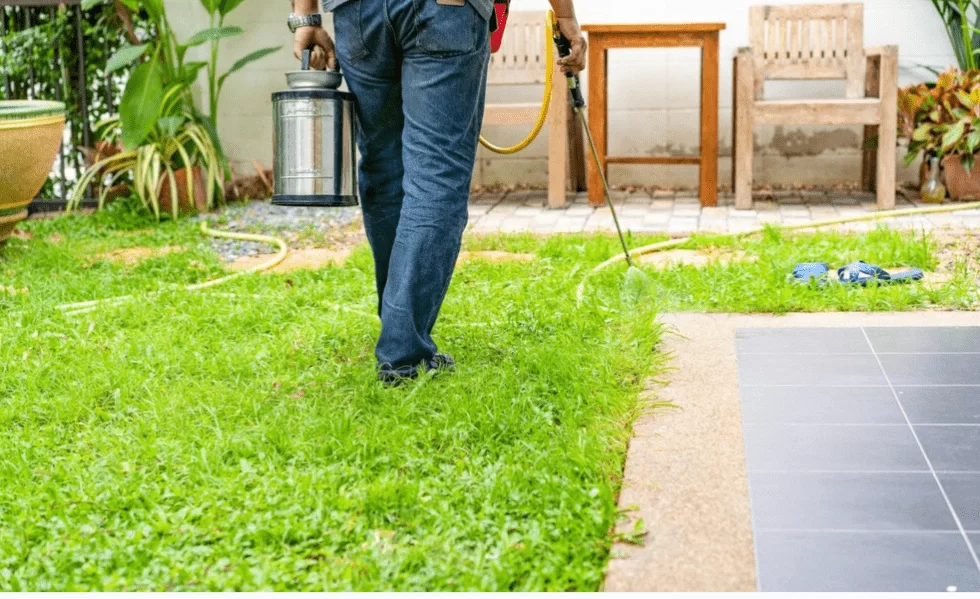
Chemical soil barriers form the first line of defense against subterranean termites. Professionals apply termiticides containing bifenthrin or fipronil around the property’s perimeter, creating a protective zone that either repels or eliminates termites attempting to access the structure. These barriers remain effective for several years when properly installed. The termiticides used in these chemical barriers are part of a broader range of chemicals for termite control that have been developed to effectively manage these pests.
Baiting systems offer an alternative approach that targets the entire colony rather than just individual termites. Specialists install monitoring stations around the property containing cellulose material laced with slow-acting toxins. Worker termites consume the bait and transport it back to their nest, gradually eliminating the queen and the entire colony over several months.
The choice between these methods depends on the infestation’s severity, the property’s construction type, and environmental considerations specific to the Sydney location.
What Preventative Measures Can Homeowners Take to Reduce Their Risk of a Termite Infestation?
Moisture control stands as the most critical preventative measure for termite prevention Sydney homeowners can implement. Termites require water to survive, making damp environments ideal breeding grounds for colonies. Fix leaking taps, pipes, and gutters immediately to eliminate water sources that attract these pests. Install proper drainage systems around your property’s perimeter, directing water away from the foundation. Ensure adequate ventilation in subfloor areas, roof spaces, and bathrooms to reduce humidity levels that termites find attractive.
Sealing entry points provides a physical barrier against termite access. Inspect your foundation regularly for cracks, gaps, and crevices that could serve as entry points. Use appropriate sealants like polyurethane foam or concrete patching compounds to close these openings. Pay special attention to areas where utility pipes and cables enter the building, as these often create small gaps termites can exploit.
Remove timber debris, firewood stacks, and tree stumps from near your foundation. Store lumber at least 30 centimeters above ground level and away from the house. Trim vegetation and mulch back from exterior walls to create a dry zone that discourages termite activity. Replace wooden garden edging with metal or concrete alternatives where possible.
Following Termite Specialist Sydney Advice for Identifying Early Structural Damage means combining these preventative measures with regular professional monitoring for comprehensive protection.
Are DIY Remedies Really Effective Against Termites, or Should Homeowners Rely on Professional Treatments?
DIY termite control Sydney methods offer limited effectiveness as temporary deterrents rather than comprehensive solutions. Essential oils like tea tree or lavender applied around entry points may create mild repellent effects that discourage termite exploration, yet these natural substances cannot penetrate deep enough to reach established colonies or eliminate the queen responsible for reproduction.
The fundamental limitation of home remedies lies in their inability to address the colony’s core structure. A single termite colony can contain hundreds of thousands of workers operating across multiple underground tunnels, extending far beyond the visible application points of any DIY treatment. While homeowners might observe reduced surface activity after applying natural repellents, the colony continues feeding on structural timber through alternative pathways.
Professional treatments deliver targeted solutions that reach colony sources through chemical barriers, baiting systems, or direct colony elimination methods. Specialists access wall cavities, subfloor areas, and soil zones where termites establish their primary feeding routes—spaces inaccessible to surface-level home applications.
How Often Should Sydney Homes Have Professional Termite Inspections Conducted? Is Annual Inspection Sufficient?
Annual termite inspections Sydney properties should follow as a minimum standard, though this frequency isn’t suitable for every situation. Most homes benefit from yearly professional assessments to catch infestations before they escalate into costly structural repairs.
Certain properties require more vigilant monitoring:
- Homes with previous termite activity need inspections every 6 months for at least two years following treatment
- Properties near bushland or wooded areas face elevated risk due to proximity to natural termite habitats
- Buildings with poor drainage or moisture issues attract termites more readily and warrant quarterly checks
- Older homes with timber construction throughout multiple levels should receive bi-annual inspections
- Properties with extensive landscaping including mulch beds, tree stumps, or timber retaining walls near the foundation
Environmental conditions in Sydney create ideal breeding grounds for termites year-round. High humidity, warm temperatures, and coastal moisture levels mean colonies remain active through most seasons, making consistent monitoring essential rather than optional.
What Can Homeowners Expect From a Comprehensive Professional Termite Inspection Report?
A professional termite inspection report Sydney provides detailed documentation of your property’s condition. The report includes high-resolution photographs showing specific locations of termite activity, mud tubes, damaged timber, and entry points discovered during the inspection.
According to Termite Specialist Sydney Advice for Identifying Early Structural Damage, quality reports contain:
- Visual evidence of all affected areas with clear labeling and measurements
- Risk assessment ratings for different zones of your property
- Species identification when active termites are found
- Moisture readings from areas prone to termite attraction
- Structural integrity assessments noting compromised beams, joists, or supports
The report concludes with a customized treatment plan specific to your property’s needs. This plan outlines recommended treatment methods, estimated costs, and timelines for addressing identified issues. Specialists also include preventative recommendations to reduce future infestation risks, such as drainage improvements or vegetation management around your foundation.
Conclusion
Protecting your Sydney home from termite damage starts with being watchful and getting professional help. Following the advice of termite specialists in Sydney during inspections can save you thousands on structural repairs and maintain your property’s value for years.
Make sure to schedule annual professional inspections as your main defense against hidden infestations. If your property has had previous termite activity or high moisture levels, you’ll need more frequent assessments—every six months is best for optimal protection.
If you see mud trails, hear hollow sounds from timber, or find discarded wings near your property, contact a qualified specialist right away. Acting quickly can turn a manageable problem into a disaster that could have been avoided. The Termite Specialist Sydney Advice for Identifying Early Structural Damage in this guide gives you valuable information, but only professionals can provide long-lasting solutions.
See Also: Termite protection sydney: why every home needs a prevention plan
Leave a Reply