
Why is a Termite Prevention Plan Important for Sydney Homes?
Termite protection is essential for homes in Sydney. The warm and humid climate of Sydney provides perfect conditions for termite colonies to thrive, putting residential properties at constant risk of silent infestations that can cause significant damage in a short period.
A termite protection sydney plan is your first line of defense against these destructive pests. Without proactive measures, termites can cause extensive damage before homeowners even realize they are there. These insects operate silently within walls, foundations, and timber frames, making it nearly impossible to detect them without professional help.
The termite risk faced by residents in Sydney goes beyond immediate structural damage. Properties with a history of termite infestations often experience:
- Decreased market value when selling
- Increased insurance premiums
- Costly emergency repairs that require immediate attention
- Potential safety hazards due to weakened support structures
A comprehensive termite prevention plan addresses these risks through regular inspections, strategic barrier installations, and ongoing monitoring systems. This proactive approach is much more cost-effective than reactive treatments after an infestation has already occurred.
Investing in professional termite protection not only preserves the value of your home but also ensures its structural integrity. The relatively small annual cost of prevention measures is nothing compared to the financial burden of repairing timber, flooring, and framework damaged by termites. Homeowners in Sydney who implement prevention strategies early on are able to safeguard their most valuable asset from one of Australia’s most destructive pests.
What Makes Sydney Homes Vulnerable to Termite Infestations?
Sydney’s warm, humid climate creates ideal breeding conditions for termites year-round. The region experiences mild winters and hot, moisture-rich summers that accelerate termite colony growth and activity. These environmental factors make Sydney one of Australia’s highest termite risk zones, with subterranean species particularly active in the area’s clay-rich and sandy soils.
Soil Composition and Its Impact on Termite Infestations
The soil composition across Sydney’s suburbs plays a critical role in residential termite infestation patterns:
- Clay soils retain moisture exceptionally well, providing termites with the damp conditions they need to survive and establish underground colonies.
- Sandy soils allow easy tunnel construction, enabling termites to travel undetected between their nests and food sources—your home’s timber structures.
Structural Weak Points Termites Target
Termites don’t attack randomly. They systematically seek out specific areas of homes where timber meets soil or where moisture accumulates:
- Subfloor spaces with poor ventilation trap humidity and provide direct access to floor joists.
- Timber window frames and door frames that collect condensation.
- Roof timbers in poorly ventilated attics where moisture builds up.
- Retaining walls and fencing in direct ground contact.
- Timber decking and outdoor structures exposed to weather elements.
Bathrooms, laundries, and kitchens present elevated risks due to plumbing leaks and constant moisture exposure. Termites detect these water sources from considerable distances, drawn by the combination of dampness and accessible timber.
Climate Patterns Driving Infestation Rates
Sydney’s coastal location brings regular rainfall and high humidity levels that sustain termite populations throughout the year. Unlike regions with harsh winters that limit termite activity seasonally, Sydney’s temperate conditions mean colonies remain active during cooler months. This continuous activity increases the likelihood of termites discovering and attacking residential properties.
Bushland proximity amplifies risk levels. Homes near natural reserves or established gardens with old tree stumps and decaying timber provide termites with abundant food sources. Once these natural resources diminish, colonies expand their foraging range into neighboring residential areas, targeting homes with accessible timber structures.
How Can Professional Termite Inspections Help Homeowners?
Professional termite inspections in Sydney provide the foundation for protecting your property through a systematic evaluation by licensed pest control technicians. These experts conduct thorough examinations of your home’s interior, exterior, subfloor areas, and roof spaces to identify active termite colonies, entry points, and conditions conducive to infestation.
The Expertise of Licensed Technicians
Licensed technicians bring specialized training that enables them to recognize subtle signs of termite activity that homeowners typically miss. They understand termite behavior patterns, can differentiate between termite species, and know exactly where to look based on your property’s construction type and surrounding environment. Their expertise extends beyond simple visual checks to include detailed assessments of moisture levels, timber conditions, and structural vulnerabilities.
Advanced Detection Technologies Transform Inspection Accuracy
Modern termite detection tools have revolutionized how professionals identify hidden infestations. Thermal imaging cameras detect temperature variations in walls and floors caused by termite activity, revealing colonies concealed behind surfaces. Moisture meters pinpoint areas with elevated humidity levels that attract termites, while acoustic emission detectors pick up the sounds of termites feeding within timber structures.
Termatrac radar technology penetrates walls, floors, and ceilings without causing damage, allowing technicians to track termite movement in real-time. Borescopes equipped with fiber-optic cameras enable visual inspection of wall cavities and tight spaces. These technologies combined create a comprehensive picture of your property’s termite status that visual inspections alone cannot achieve.
The Critical Value of Annual Inspection Schedules
Early termite detection through regular annual inspections prevents minor termite presence from escalating into catastrophic structural damage. Termites can consume significant amounts of timber within months, making yearly professional assessments essential for Sydney homeowners.
Annual inspections establish baseline conditions for your property, allowing technicians to track changes over time and identify new risk factors. These scheduled visits catch infestations during their earliest stages when treatment options are less invasive and more cost-effective. Inspection reports also provide documentation valuable for property sales, insurance claims, and warranty requirements.
The inspection process typically takes 1-2 hours for an average home and includes detailed reporting with photographic evidence, risk assessments, and treatment recommendations. Technicians create customized monitoring plans based on your property’s specific needs to ensure ongoing protection against termites.
It’s essential to understand the signs of termite infestations so that homeowners can take immediate action if they suspect a problem. Recognizing these signs early can save significant costs in repairs and treatment.
What Are the Most Effective Termite Control Methods Available?
Sydney pest control professionals employ four primary termite control methods: baiting systems, dusting applications, liquid termiticide treatments, and foam injections. Each method targets termites differently, with selection based on infestation severity, termite species, building structure, and soil conditions.
Baiting Systems for Colony Elimination
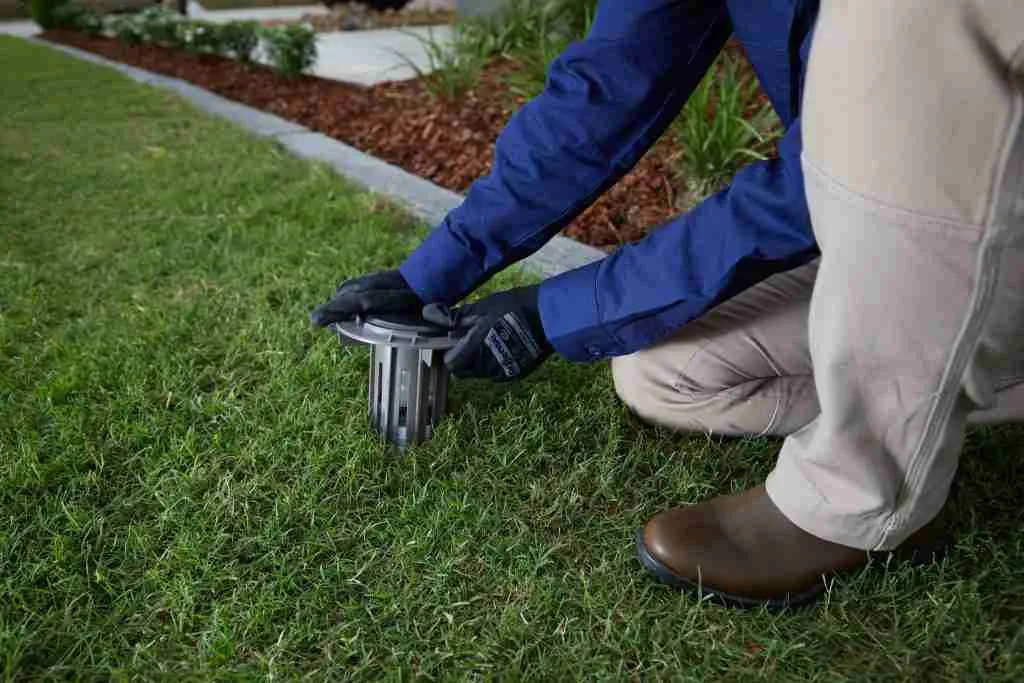
Baiting systems work by attracting termites to cellulose-based stations containing growth inhibitors. The Sentricon system uses bait that disrupts the molting process, causing termites to carry the active ingredient back to their colony. Worker termites share the bait through feeding behaviors, eventually eliminating the entire colony including the queen. The Trelona Always Active system provides continuous bait availability, eliminating the need for initial monitoring-only phases.
These systems offer several advantages:
- Minimal disruption to landscaping and property
- Environmentally targeted approach affecting only termites
- Long-term colony elimination rather than temporary barriers
- Continuous monitoring capabilities
Dusting Applications
Fipronil dusting involves applying fine insecticidal powder directly into termite galleries and mud tubes. Termites transfer the dust throughout their colony through grooming and cannibalistic behaviors. This method proves particularly effective for treating active infestations within wall cavities and roof spaces where liquid treatments cannot reach.
Liquid Non-Repellent Termiticides
Termidor HE and Premise represent advanced liquid termiticide treatments that create protective zones around building perimeters. These non-repellent formulations allow termites to pass through treated soil without detection, transferring the active ingredient to nest mates. The “transfer effect” means termites become carriers, spreading protection throughout their colony.
Key benefits include:
- Protection lasting 8+ years in suitable soil conditions
- Low application rates reducing environmental impact
- Effective against multiple termite species
- Proven track record in Australian conditions
Foam Treatments
Termiticide foams expand to fill wall voids, subfloors, and other inaccessible spaces. The foam’s expansion ensures thorough coverage in areas where liquid treatments would simply drain away. This method works best as a supplementary treatment
Why Is a Two-Stage Termite Protection Plan Essential?
A two-stage termite protection plan ensures comprehensive defense against termite damage through systematic assessment and treatment.
The Initial Inspection Phase
Professional inspectors examine both visible and concealed areas where termites typically establish colonies. They use thermal imaging cameras, moisture meters, and acoustic detection devices to locate termite activity within wall cavities, subfloors, and roof spaces. The inspection covers timber structures, garden beds near foundations, tree stumps, and any timber-to-ground contact points.
Technicians document their findings with detailed reports that include:
- Location and severity of active termite colonies
- Species identification for targeted treatment selection
- Structural vulnerabilities that increase infestation risk
- Moisture issues contributing to termite attraction
- Recommended treatment protocols specific to the property
Targeted Termite Treatment Application
The second stage delivers customized solutions based on inspection results. Properties with active infestations receive immediate eradication treatments, while those showing early warning signs benefit from preventative measures. Treatment intensity varies according to colony size, termite species, and structural conditions.
A property with subterranean termites in wall cavities might receive Termidor HE liquid treatments around the perimeter, while a home with isolated activity could benefit from strategic Sentricon bait station placement. The targeted approach eliminates unnecessary chemical application while maximizing protection effectiveness.
Ongoing Monitoring Termites Systems
Continuous surveillance represents the critical third element that transforms basic treatment into long-term protection. Monitoring stations installed during the treatment phase allow technicians to track termite movement patterns and detect new colony formation before significant damage occurs.
Regular monitoring visits, typically scheduled annually or bi-annually, enable pest control professionals to:
- Verify treatment effectiveness through activity checks
- Replace consumed bait stations with fresh attractants
- Identify environmental changes affecting termite behavior
- Adjust protection strategies as building conditions evolve
Properties maintaining active monitoring systems detect termite presence 12-18 months earlier than those relying solely on visual inspections. This early warning capability
How Do Safety Standards Influence Termite Treatment Services in Sydney?
Safety standards directly determine the quality and reliability of termite treatment services across Sydney. Licensed pest control technicians must adhere to strict regulatory requirements that protect both homeowners and the environment during every stage of treatment. These standards ensure that chemical applications pose minimal risk to residents, pets, and surrounding ecosystems while maintaining maximum effectiveness against termite colonies.
Professional termite treatment safety Sydney protocols require technicians to wear comprehensive protective equipment during all applications. This includes respirators, protective suits, gloves, and safety goggles that prevent exposure to chemical agents. The use of this gear demonstrates a company’s commitment to worker safety and indicates proper handling procedures that minimize contamination risks within your home.
Quality-Approved Product Selection
Reputable Sydney pest control services exclusively use products approved by the Australian Pesticides and Veterinary Medicines Authority (APVMA). These eco-friendly termiticides undergo rigorous testing to verify their effectiveness and environmental safety profile. Modern formulations like Termidor HE and Premise represent the latest generation of non-repellent termiticides that:
- Break down naturally in soil without leaving harmful residues
- Target termites specifically while posing minimal risk to beneficial insects
- Require smaller application volumes compared to older chemical treatments
- Maintain effectiveness for extended periods with reduced environmental impact
The shift toward environmentally responsible products reflects industry-wide recognition that effective termite control shouldn’t compromise household safety or ecological balance. Licensed pest control technicians receive specialized training in the proper application rates and techniques for these advanced formulations.
Professional Licensing and Training Requirements
Sydney’s termite treatment industry operates under stringent licensing requirements that verify technical competence and safety knowledge. Licensed pest control technicians must complete accredited training programs covering:
- Chemical handling and application methods
- Building construction and termite behavior
- Risk assessment and safety protocols
- Environmental protection measures
- Emergency response procedures
These qualifications provide homeowners with assurance that treatments follow industry best practices. Licensed professionals carry insurance coverage and maintain ongoing education to stay current with emerging technologies and safety standards. Their expertise extends beyond simply applying chemicals—they understand how to customize treatments based on your home’s unique characteristics while maintaining the highest safety margins.
Regular audits and compliance checks ensure that licensed operators maintain equipment properly and follow manufacturer instructions strictly during pesticide applications, further enhancing the overall safety profile of termite treatment services in Sydney.
Which Areas in Sydney Are at Higher Risk for Termites and Why?
The Upper North Shore stands out as one of Sydney’s most vulnerable regions for termite activity, with suburbs like Turramurra, Pymble, and Wahroonga experiencing consistently high infestation rates. Properties in these areas face elevated risks due to a combination of environmental and structural factors that create ideal conditions for termite colonies to thrive.
Geographic and Environmental Risk Factors
High-risk termite areas in Sydney share several common characteristics that attract these destructive pests. The region’s clay-rich soil retains moisture exceptionally well, providing termites with the damp conditions they need to establish underground networks. Dense tree coverage in established suburbs offers abundant food sources, while the area’s temperate climate allows termite colonies to remain active year-round rather than experiencing seasonal dormancy.
Upper North Shore termites particularly flourish in neighborhoods with:
- Mature gardens featuring eucalyptus trees and native vegetation
- Properties built on sloping blocks where water drainage creates moisture pockets
- Older homes with timber subfloors and weatherboard construction
- Areas with poor drainage systems that allow water to pool near foundations
Regional Termite Prevalence Patterns
The Northern Beaches, Hills District, and Western Sydney suburbs also demonstrate significant regional termite prevalence. Coastal areas experience higher humidity levels that support termite survival, while inland suburbs with bushland interfaces provide direct access routes for subterranean species. Properties within 100 meters of parklands or nature reserves face exponentially higher risks as termite colonies naturally inhabit these undisturbed environments.
Recent data shows infestation rates in the Upper North Shore exceed Sydney’s average by approximately 40%, making professional monitoring essential rather than optional for homeowners in these postcodes.
Protection Strategies for High-Risk Locations
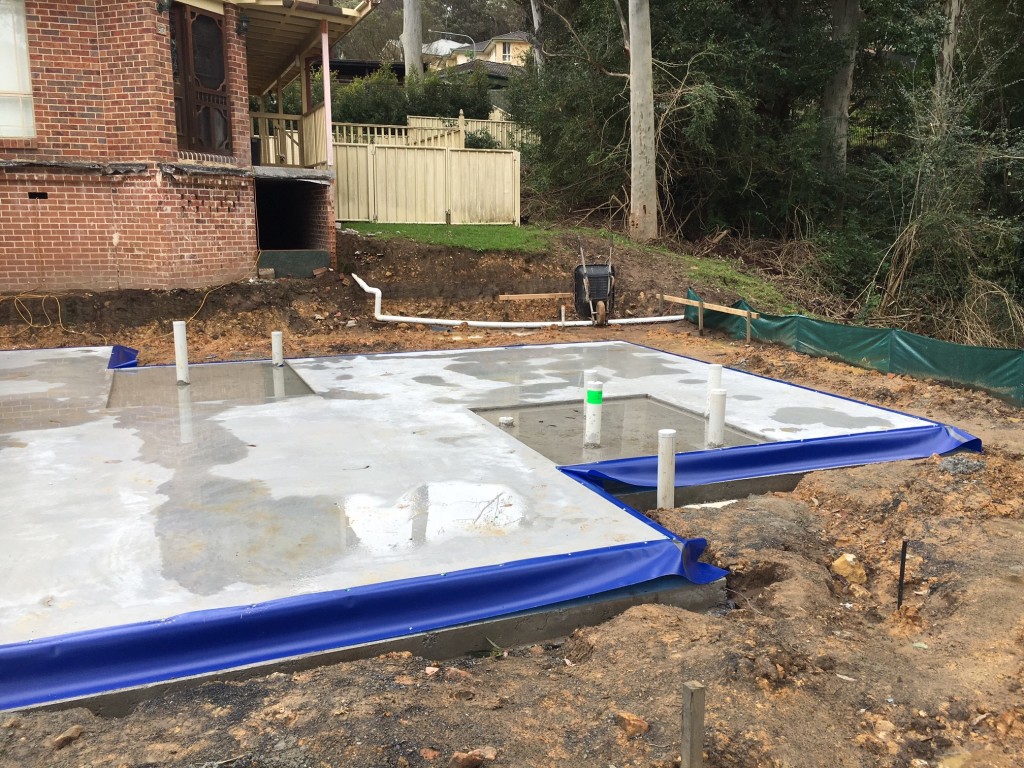
Homeowners in vulnerable areas should implement enhanced protection measures beyond standard prevention plans. Annual inspections become quarterly assessments in high-risk zones, allowing technicians to detect early warning signs before colonies establish themselves within structural timber. Installing physical barriers during construction or renovation provides long-term defense, while maintaining a termite-free zone of at least one meter around building perimeters reduces direct access points.
Properties with existing timber retaining walls, garden sleepers, or decorative woodwork are particularly susceptible to termite attacks if not properly treated or maintained. It’s crucial to follow building guidelines that can help mitigate these risks effectively.
How Can Homeowners Benefit from Investing in a Termite Prevention Plan?
A termite prevention plan delivers immediate financial advantages by avoiding expensive structural repairs. Termite damage to a single Sydney home can cost between $7,000 and $30,000 in repairs, while annual prevention plans typically range from $300 to $800. The benefits of a termite prevention plan extend far beyond the initial inspection, creating a protective barrier that stops infestations before they compromise your home’s framework, flooring, or roof structures.
Cost Savings
The cost savings from preventing termite damage becomes evident when comparing prevention versus remediation expenses. Homeowners without protection plans often discover termite activity only after significant damage has occurred. Replacing damaged timber frames, repairing compromised foundations, or restoring eaten-away wall studs requires substantial investment in materials and labor. Prevention plans eliminate these surprise costs through regular monitoring and early intervention, keeping your maintenance budget predictable and manageable.
Property Value Protection
The impact on property value protection cannot be understated in Sydney’s competitive real estate market. Properties with documented termite protection histories sell faster and command higher prices than homes with unknown pest control status. Buyers increasingly request termite inspection reports during property evaluations, and homes with active prevention plans demonstrate responsible ownership. Real estate agents confirm that properties with comprehensive termite protection records attract more serious buyers and face fewer price negotiations.
Long-Term Protection
Long-term protection through professional prevention plans offers three distinct advantages:
- Continuous monitoring catches termite activity at the earliest possible stage
- Scheduled treatments maintain protective barriers around your property perimeter
- Expert assessments identify new risk factors as your property and surrounding environment change
Peace of Mind
Peace of mind represents an often-overlooked benefit of professional termite care. Knowing licensed technicians regularly inspect your home removes the anxiety of hidden damage developing unnoticed. Prevention plans include detailed documentation of each visit, treatment applications, and risk assessments, giving you complete transparency about your property’s termite status.
Personalized Attention
Professional ongoing care adapts to your home’s specific needs. Technicians adjust monitoring stations based on seasonal termite activity, modify treatment approaches when environmental conditions change, and recommend targeted interventions for new construction or landscaping modifications. This personalized attention ensures your protection plan remains effective year after year, regardless of how termite pressures in your neighborhood evolve.
Conclusion
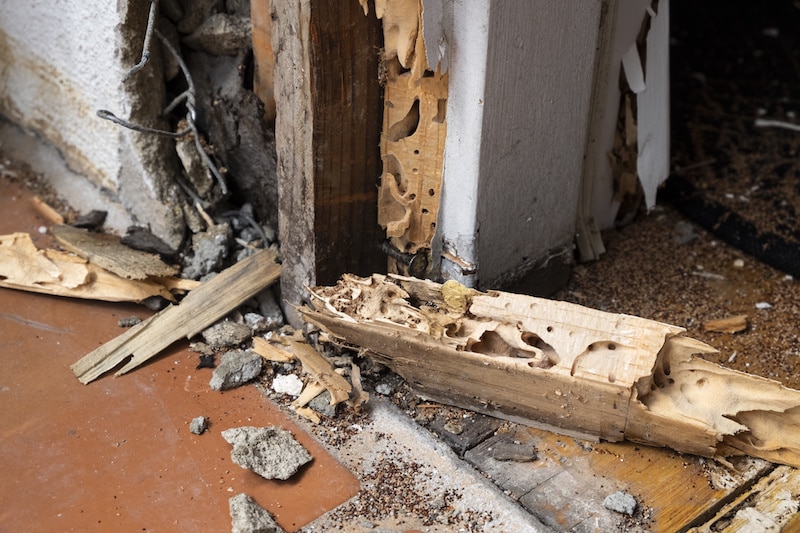
Why should Sydney homeowners act now on termite protection? The evidence is clear: termites pose a constant threat to Sydney properties, and waiting until damage appears often means facing repair bills in the tens of thousands. Professional inspections and treatments provide the only reliable defense against these destructive pests.
The importance of termite protection for Sydney homeowners goes beyond immediate financial concerns. Every day without proper protection puts the structural integrity of your home at risk. Licensed pest control technicians can identify weaknesses before colonies establish themselves, making early intervention the smartest investment for any property owner.
A comprehensive summary of termite prevention plans includes:
- Annual professional inspections using advanced detection technology
- Customized treatment strategies based on your property’s specific risks
- Ongoing monitoring to catch new activity before damage occurs
- Expert guidance on maintaining termite-resistant conditions around your home
Termite Protection in Sydney: Why Every Home Needs a Prevention Plan isn’t just a recommendation—it’s essential insurance for your most valuable asset. The cost of prevention is much less than the cost of structural repairs, and the peace of mind that comes with professional protection is priceless.
Don’t wait for visible signs of an infestation. Contact a licensed pest control specialist in Sydney today to schedule your initial inspection and create a protection plan tailored to your home’s needs.
See Also: Termite specialist sydney advice for identifying early structural damage
Leave a Reply